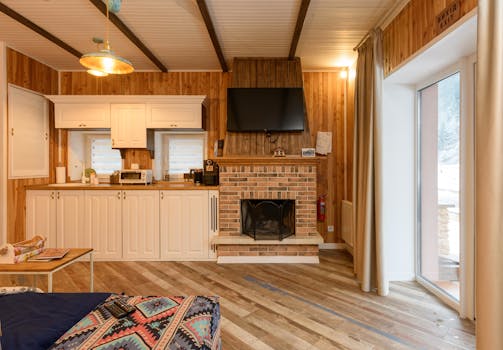

Does your living room feel more like a thoroughfare than a haven? In our increasingly busy lives, the desire for a dedicated space to unwind, recharge, and simply be is stronger than ever. But how do you infuse that everyday living area with the essence of a cozy retreat, a place that wraps you in comfort the moment you step inside? It’s not about a complete overhaul or an exorbitant budget; it’s about thoughtful choices and a keen understanding of what truly promotes a sense of peace and warmth. Let’s explore the art of transforming your living room into your personal sanctuary.
The Foundation: Setting the Mood with Color and Light
Before we even think about furniture or decor, the atmosphere of your living room is largely dictated by its color palette and lighting. These are the silent architects of coziness.
#### Embracing Warm Hues and Soft Palettes
Think about the colors that evoke feelings of warmth and security. Deep, earthy tones like terracotta, warm greys, muted olives, or rich creams can instantly make a space feel more inviting. Even if your current walls are a cool neutral, you can introduce these warmer shades through your upholstery, accent pillows, throws, or even a strategically placed rug. It’s fascinating how paint alone can alter our perception of a room’s embrace.
Wall Color: Opt for shades that lean towards the warmer end of the spectrum.
Accent Colors: Introduce richer tones through cushions, curtains, or artwork.
Natural Materials: Wood tones in furniture and decor naturally bring warmth.
#### Mastering the Art of Ambiance Lighting
Harsh overhead lighting is the enemy of coziness. Instead, aim for layered lighting that mimics natural daylight cycles or creates intimate pools of warmth.
Ditch the Overhead: Reserve your main ceiling light for functional tasks only, and even then, consider a dimmer switch.
Introduce Task and Accent Lighting: Floor lamps, table lamps, and even string lights can create pockets of inviting glow. Position them at different heights to add depth.
Consider Warm Bulbs: Opt for bulbs with a lower Kelvin (K) rating (around 2700K-3000K) for a soft, yellowish light that feels more natural and less sterile.
Candles (with caution!): The flicker of real candlelight is unparalleled for ambiance, but always prioritize safety. Smart LED candles can offer a similar visual effect without the risk.
Texture: The Tactile Language of Comfort
Cozy isn’t just a visual cue; it’s a feeling you experience when interacting with your space. Texture plays a pivotal role in creating this tactile richness.
Layering Softness with Textiles
Think about how you interact with comfort in everyday life – the plushness of a favorite blanket, the softness of a well-worn sweater. Bringing these sensations into your living room is key to how to turn your living room into a cozy retreat.
Plush Rugs: A thick, shaggy rug underfoot can instantly transform a room, making it feel warmer and more inviting. Even a smaller rug layered over existing carpet can add a luxurious touch.
Abundant Cushions and Throws: Don’t shy away from an abundance of pillows in various textures – think faux fur, chunky knits, velvet, and soft cotton. Drape throws over sofas and armchairs, inviting immediate relaxation.
Curtains as a Cozy Embrace: Heavy, lined curtains not only add a luxurious visual element but also help insulate the room, both visually and thermally, contributing to that snug feeling.
The Allure of Natural Elements
Incorporating elements from nature can ground your space and bring a sense of organic warmth.
#### Bringing the Outdoors In
Plants, wood, and natural fibers are fantastic for adding life and a calming presence. I’ve often found that a simple potted plant can make a significant difference in a room’s energy.
Greenery: Potted plants add color, purify the air, and bring a touch of organic beauty.
Wood Accents: Wooden furniture, decorative bowls, or even driftwood pieces can lend a natural, grounding warmth.
Natural Fibers: Think linen, cotton, jute, and wool in your decor. These materials have a pleasing texture and a timeless appeal.
Curating Your Comfort Zones: Furniture and Layout
The way your furniture is arranged and the pieces you choose directly impact the functionality and feel of your living room.
#### Creating Inviting Seating Arrangements
The goal is to encourage conversation and relaxation, not to create a sterile showroom.
Conversation Zones: Arrange seating so that people can easily talk to each other without straining. Avoid pushing all furniture against the walls.
Comfort Over Style (Sometimes): While aesthetics are important, prioritize seating that is genuinely comfortable. Sink-in sofas and supportive armchairs are essential.
Personalized Nooks: If space allows, create smaller, more intimate seating areas. A comfortable armchair with a good reading lamp and a side table can become a beloved personal retreat within the larger room.
Personal Touches: The Heart of Your Cozy Retreat
A truly cozy space is one that reflects you. It’s filled with items that hold meaning and bring joy.
#### Infusing Personality and Meaning
This is where the magic truly happens. How to turn your living room into a cozy retreat is less about trends and more about creating a space that resonates with your soul.
Meaningful Decor: Display cherished photographs, artwork that speaks to you, or souvenirs from memorable trips. These items tell your story and make the space uniquely yours.
Books, Books, Books: A well-stocked bookshelf is an instant signifier of warmth and intellect. Arrange them attractively, and don’t be afraid to let them spill onto surfaces if it feels natural.
* Sensory Delights: Beyond sight and touch, consider scent. A subtle diffuser with calming essential oils like lavender or chamomile, or the gentle aroma of baking, can enhance the cozy atmosphere.
Final Thoughts: Embrace the Journey
Creating a cozy living room is an ongoing process, not a one-time event. It’s about continuously adjusting and refining your space to meet your needs for comfort and tranquility. The most impactful step you can take today? Take a critical look at your current lighting situation and commit to introducing at least one new, warmer light source. This small change can ripple outwards, significantly enhancing the inviting atmosphere of your entire room.