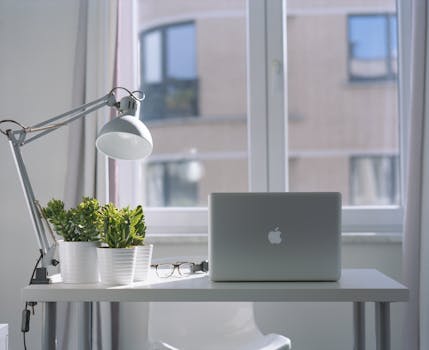

Ever find yourself staring at a chaotic desk, feeling more overwhelmed than inspired? You’re not alone! For many of us who’ve embraced the work-from-home lifestyle, the line between “work” and “life” can blur faster than a watercolor painting left in the rain. But what if I told you that transforming your workspace into a zone of calm, focus, and pure efficiency is totally achievable? It’s not about having a massive room or expensive furniture; it’s about strategic design and a little bit of mindful organization. So, let’s dive into how to create an efficient and organized home office that feels less like a chore and more like your personal productivity sanctuary.
Where the Magic Begins: Designing Your Ideal Workspace
Think of your home office as more than just a place to park your laptop. It’s the command center for your creativity, the engine room for your deadlines, and, frankly, a space you spend a significant chunk of your day in. Making it work for you, rather than against you, is paramount. This isn’t just about tidiness; it’s about creating an environment that supports your workflow and mental well-being.
#### Finding Your Flow: The Foundation of a Functional Office
Before you even think about purchasing storage bins, take a moment to really consider how you work. Are you a paper-heavy person who needs ample filing space? Or are you strictly digital, preferring sleek, minimalist surfaces? Understanding your personal work habits is the first, and arguably most crucial, step in how to create an efficient and organized home office.
Assess Your Daily Tasks: What do you do most often? Do you spend hours on video calls, requiring a clean background? Do you brainstorm extensively, needing wall space for notes?
Consider Your Energy Levels: Do you thrive in bright, airy spaces, or do you prefer a more cozy, dimly lit atmosphere? Your environment can significantly impact your mood and focus.
Think About Movement: How much do you move around during your workday? Do you need space to pace, or do you prefer to stay seated?
#### The Power of Placement: Strategic Zone Creation
One of the smartest moves you can make is to divide your office space into distinct zones. This visual separation helps your brain understand what to do where, reducing mental clutter and improving focus. Even in a small corner of your living room, you can carve out these areas.
The Work Zone: This is your primary desk area. Keep it as clear as possible, with only the essentials within immediate reach. Think about ergonomics here – your chair and desk height are vital for long-term comfort and preventing strain.
The Storage Zone: This is where your filing cabinets, shelves, and organizational containers live. Grouping similar items together makes them easy to find and put away.
The Recharge Zone (Optional but Recommended!): If space allows, create a small area for relaxation. This could be a comfortable armchair with a reading lamp or even just a spot to stretch and look out a window. This is your mental reset button.
Decluttering Your Domain: The Art of Letting Go
Let’s be honest, this is often the most challenging part, but it’s also the most rewarding. A cluttered space leads to a cluttered mind, and that’s the opposite of efficiency. The goal isn’t just to tidy up; it’s to create a system that prevents future clutter build-up. This is a core principle when learning how to create an efficient and organized home office.
#### Taming the Paper Tiger: Strategies for Document Management
Paper can be a major source of disorganization. If you’re not careful, it can pile up faster than you can say “invoice.”
The “One Touch” Rule: Aim to touch each piece of paper only once. When it comes in, decide immediately: file, action, or discard.
Implement a Filing System: Whether it’s a simple color-coded system or a more elaborate digital one, have a clear place for everything. Archive old documents regularly to keep your active files manageable.
Go Digital Where Possible: Scan important documents and store them securely in the cloud. This not only saves space but also provides a backup.
#### Digital Decluttering: Your Virtual Workspace Matters Too
The mess isn’t just physical; your computer desktop can be just as overwhelming! A disorganized digital space can be a significant productivity killer.
Desktop Discipline: Treat your desktop like your physical desk – keep it clean. Use folders and a consistent naming convention for files.
Email Management: Set up filters, unsubscribe from unnecessary newsletters, and aim for an “inbox zero” approach as much as possible.
Cloud Organization: Utilize cloud storage effectively. Create clear folder structures and regularly review what you have stored.
Smart Storage Solutions: Maximizing Your Space
Once you’ve decluttered, it’s time to find smart ways to store what you need to keep. The right storage solutions can make a world of difference.
#### Vertical Power: Reaching New Heights of Organization
Don’t underestimate the power of vertical space! Shelving units, wall-mounted organizers, and monitor stands can free up valuable desk real estate.
Floating Shelves: These look sleek and provide easy access to frequently used items.
Desk Organizers: Invest in trays, pen holders, and drawer dividers to keep your immediate workspace tidy.
Monitor Risers with Storage: These are fantastic for lifting your screen to an ergonomic height while providing hidden storage underneath.
#### Hidden Treasures: Concealing the Clutter
Sometimes, the best way to organize is to simply hide things away. This creates a visually calmer environment.
Closed Cabinets and Drawers: These are perfect for storing less attractive items like cables, old chargers, or office supplies you don’t need constant access to.
Stylish Bins and Baskets: Even open shelving can look tidy if you use attractive containers to group items.
Cultivating the Habits of Efficiency
Creating an organized home office isn’t a one-time event; it’s an ongoing practice. Developing good habits will ensure your space remains a productive sanctuary.
#### The Daily Tidy-Up: Small Efforts, Big Rewards
Just like brushing your teeth, a quick daily tidy-up can prevent major organizational headaches.
End-of-Day Reset: Spend 5-10 minutes at the end of your workday putting things back in their place, clearing your desk, and preparing for the next day.
Weekly Deep Dive: Dedicate a slightly longer period, perhaps 30 minutes on a Friday, to do a more thorough review of your filing, declutter any accumulated mail, and plan for the week ahead.
#### Personalizing Your Productivity Hub
Your home office should reflect you! Adding personal touches can make it a place you want to be.
Incorporate Plants: They add life, improve air quality, and can boost your mood.
Art and Inspiration: Display motivational quotes, inspiring artwork, or photos that make you happy.
Comfort is Key: Ensure your lighting is adequate and pleasant. Consider a comfortable chair cushion or footrest.
Final Thoughts: Your Productive Oasis Awaits
Learning how to create an efficient and organized home office is an investment in your productivity, your well-being, and your overall success in the remote work landscape. It’s about transforming a potentially chaotic space into a functional, inspiring environment that supports your best work. Remember, it’s not about perfection, but progress. Start small, be consistent, and you’ll soon find yourself working in a space that not only looks good but feels incredibly productive. Your most efficient self is just a well-organized desk away!